



 English
 Español
Wooden Beach Umbrella Guide: Materials, Construction and Custom Supply for Coastal Projects
Content
- 1 A Tropical Print Canopy on a Wooden Pole Gives Resorts Shade and Decoration in One Product
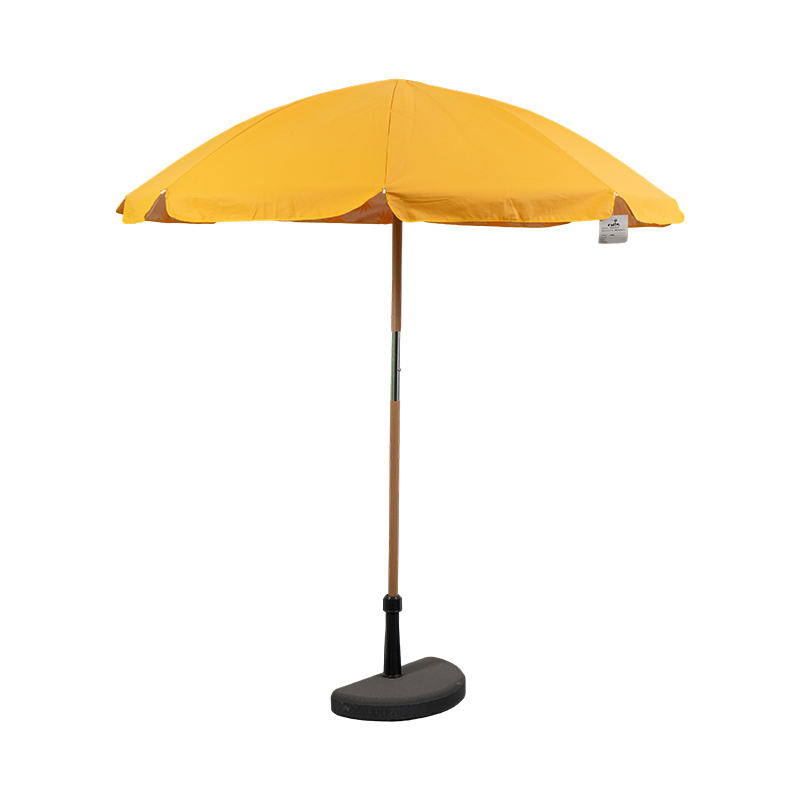
- 2 Timber Frames Feel Cooler to the Touch and Blend With Natural Surroundings
- 3 Wood Species Differ in Density, Stiffness and Weather Resistance
- 4 Kiln Drying, Turning and Multi-Coat Finishing Shape How Long a Pole Lasts
- 5 Heat Transfer Printing and Treated Polyester Carry Tropical Artwork Without Losing Color
- 6 Fringe and Tassel Trim Adds Movement, but Needs the Right Material and Length
- 7 Fiberglass Ribs, Push-Up Opening and Wind Vents Keep Seaside Umbrellas Practical
- 8 Specification Snapshot of the Tropical Fringe Model
- 9 Resorts, Beach Clubs, Cafés and Promotional Campaigns Each Use Timber Umbrellas Differently
- 10 OEM and ODM Programs Let Wholesalers and Hospitality Brands Specify Every Visible Detail
- 11 Production Scale and Layered Inspection Keep Large Orders Consistent
A Tropical Print Canopy on a Wooden Pole Gives Resorts Shade and Decoration in One Product
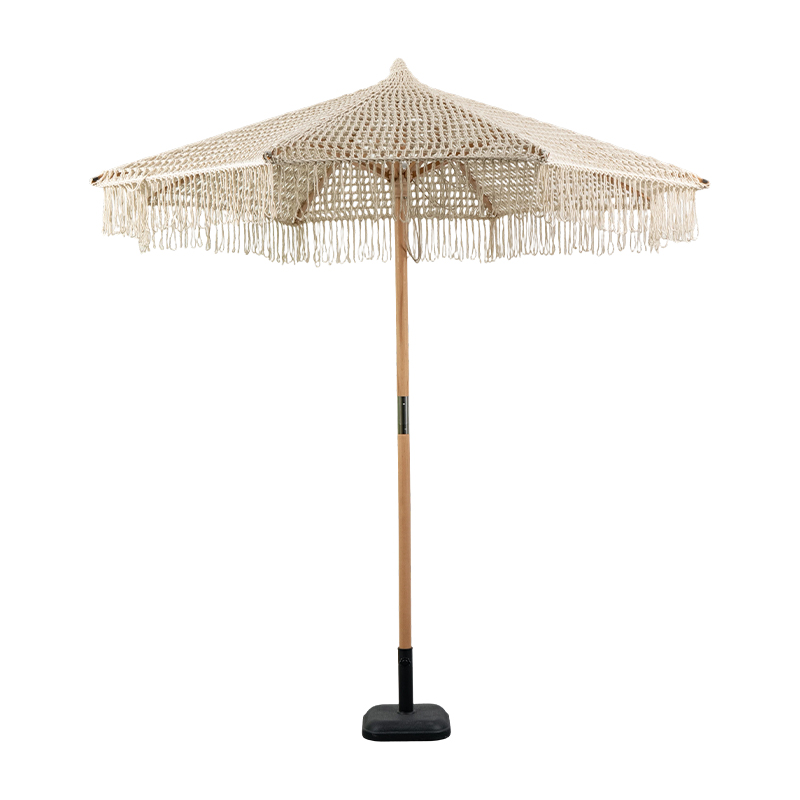
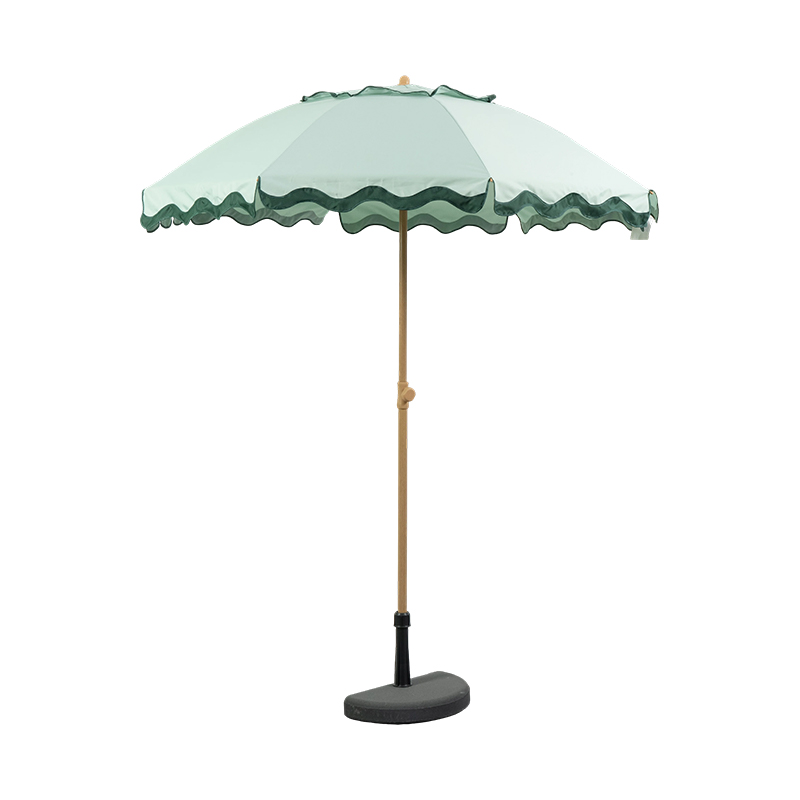
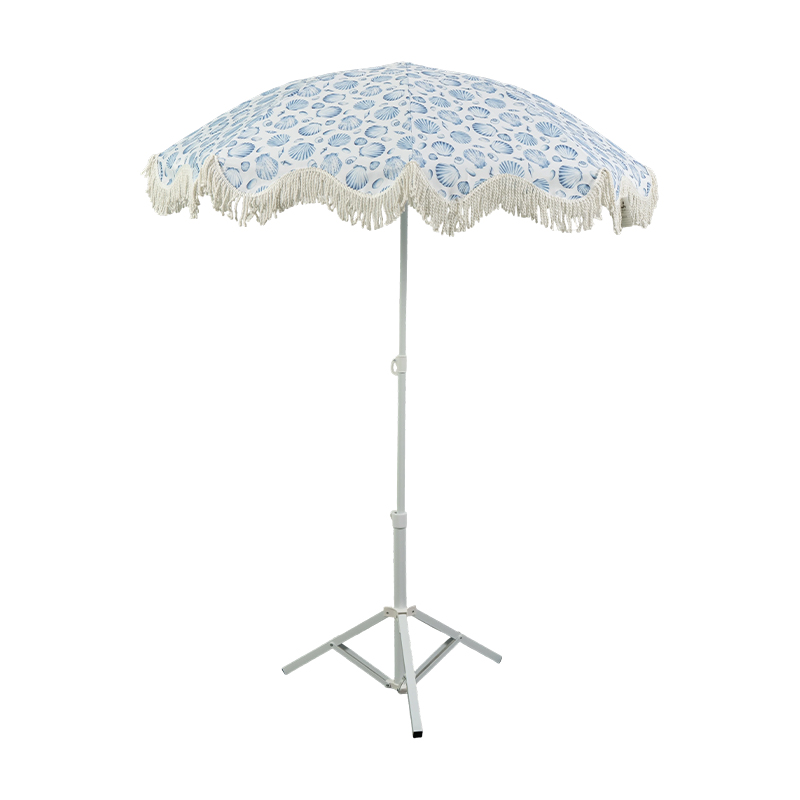
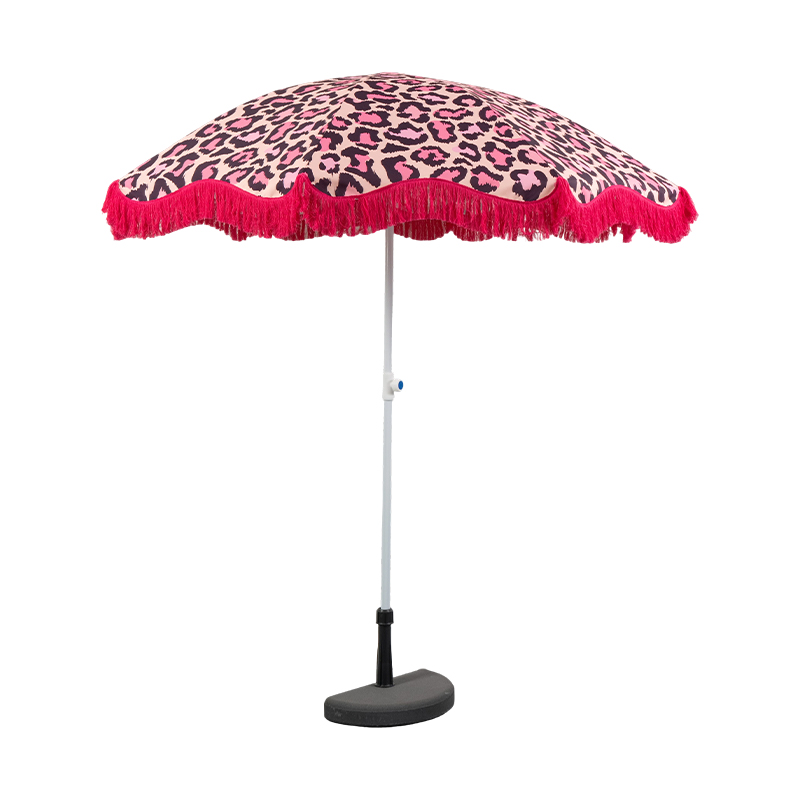
A wooden beach umbrella with a printed canopy and fringe trim suits hospitality sites that want shade and atmosphere from the same purchase. A 2 m round canopy covers two loungers or a small table, while a 32 mm wood pole, eight 6 mm fiberglass ribs and a UV-resistant, water-repellent polyester top keep the frame light enough for daily handling. Larger canopies for exposed shorelines usually move up to poles of 38 mm to 48 mm, and the sections below explain where that threshold sits.
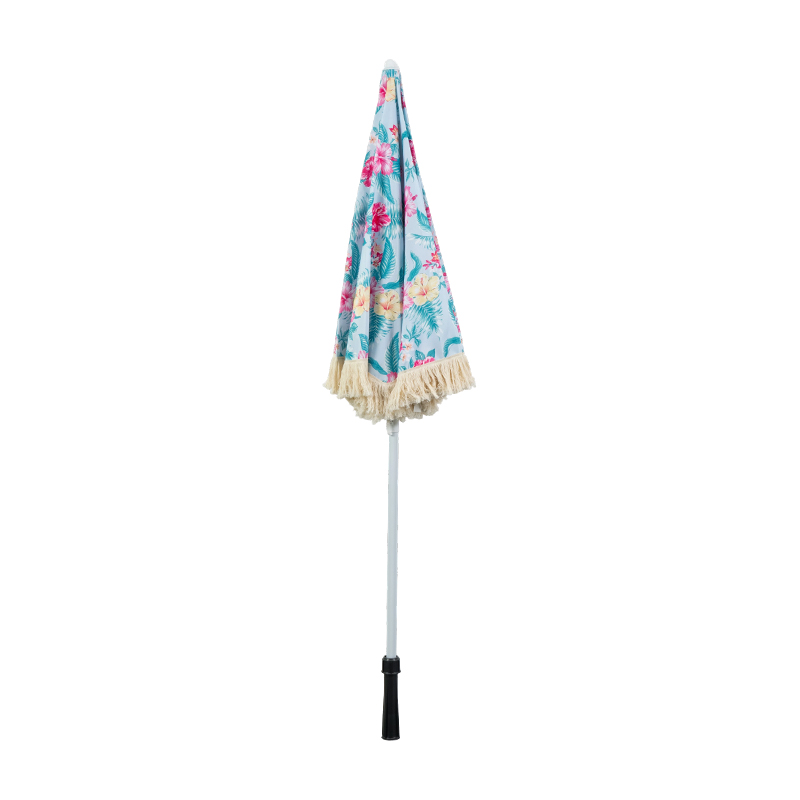
The tropical leaf and flamingo-style artwork, together with a tasseled edge, gives the umbrella a relaxed bohemian character that plain solid-color canopies rarely deliver. For boutique hotels, pool bars and beach clubs, that look becomes part of the venue's identity rather than a background item.
Timber Frames Feel Cooler to the Touch and Blend With Natural Surroundings
A bare aluminum pole left in direct midday sun can become uncomfortable to hold, sometimes passing 60°C on its surface. Wood conducts heat far more slowly, so a timber pole stays closer to air temperature and can be gripped comfortably when guests tilt or adjust the canopy. That small difference matters at beach clubs and pool decks, where umbrellas are handled constantly by people in swimwear.
Visual harmony is the other reason timber keeps its place in coastal design. Honey, walnut and driftwood-gray finishes sit naturally beside sand, rattan furniture, stone paving and palm planting. Metal frames, even when powder-coated in wood-effect colors, tend to look flat up close, while real grain shows depth and slight variation from one pole to the next.
Wood Species Differ in Density, Stiffness and Weather Resistance
Pole strength depends heavily on the species chosen. Density gives a rough guide to stiffness, though grain direction, moisture content and knots also influence how a pole behaves under wind load. Softwood is easier to machine and costs less, yet it generally needs a thicker section to match the bending resistance of a denser timber.
| Typical timbers used for wooden beach umbrella poles and their general characteristics | |||
|---|---|---|---|
| Timber | Approx. Density | Outdoor Durability | Typical Appearance |
| Beech | 650–750 kg/m³ | Moderate, needs sealing | Fine, even, pale grain |
| Teak | 630–700 kg/m³ | High, natural oils resist moisture | Golden brown, ages to silver |
| Eucalyptus | 600–750 kg/m³ | Moderate to high with coating | Warm tan, straight grain |
| Pine | 450–550 kg/m³ | Lower, depends on finish | Light, visible growth rings |
Laminated poles deserve separate mention. Several layers of timber are glued under pressure, which spreads natural defects through the section and reduces warping when humidity swings from damp mornings to dry afternoons. For wholesale orders, that stability keeps straightness consistent across hundreds of units.
Kiln Drying, Turning and Multi-Coat Finishing Shape How Long a Pole Lasts
Production begins with drying. Timber is kiln-dried to a moisture content of roughly 8 to 12 percent, a range that limits shrinkage after assembly and keeps glue lines stable in laminated sections. Boards that fall outside the target are set aside, because a pole that dries further after finishing can crack along the grain or loosen around the hub fittings.
Shaping and Surface Preparation
Dried blanks are cut to length, turned on a lathe to the required diameter and sanded through progressively finer grits. Smooth surfaces matter for both comfort and coating adhesion, since a rough pole absorbs finish unevenly and shows blotchy patches after a few weeks outdoors.
Protective Coatings
Marine-grade varnish forms a glossy film that sheds water, penetrating oil soaks into the fibers for a natural matte look, and UV-stabilized lacquer slows the graying that sunlight causes. Many producers apply two to four coats with light sanding between layers, then seal the pole ends and the lower section separately, because those areas sit in damp sand and absorb the most moisture.
Heat Transfer Printing and Treated Polyester Carry Tropical Artwork Without Losing Color
Polyester is the usual base for printed beach canopies because it is light, dries quickly and accepts disperse dyes well. Coated versions typically weigh 180 to 240 g/m² and combine UV protection with water repellence. Acrylic canopies run heavier, around 250 to 320 g/m², and suit plain-colored designs where a woven, softer surface is wanted.
Heat transfer printing suits detailed botanical designs such as layered palm leaves, hibiscus and flamingo-style motifs. The pattern is first printed onto paper with disperse dye, then pressed onto the fabric at high temperature, where the dye turns to vapor and bonds with the polyester fibers. The result is a sharp image with fine gradients that does not crack or peel when the canopy is folded, and the same process handles logos and brand patterns without extra tooling for each color.
Solution-dyed yarns remain the better route for solid colors such as navy, terracotta and sage green, since pigment runs through the whole fiber and fades slowly. A UPF 50+ canopy blocks about 98 percent of ultraviolet radiation, which gives guests meaningful protection during the hours when sunburn risk climbs quickly. Double-needle seams, bound hems and reinforced rib pockets spread stress away from single points, so the canopy is less likely to tear at the tips when a gust snaps it open.
Fringe and Tassel Trim Adds Movement, but Needs the Right Material and Length
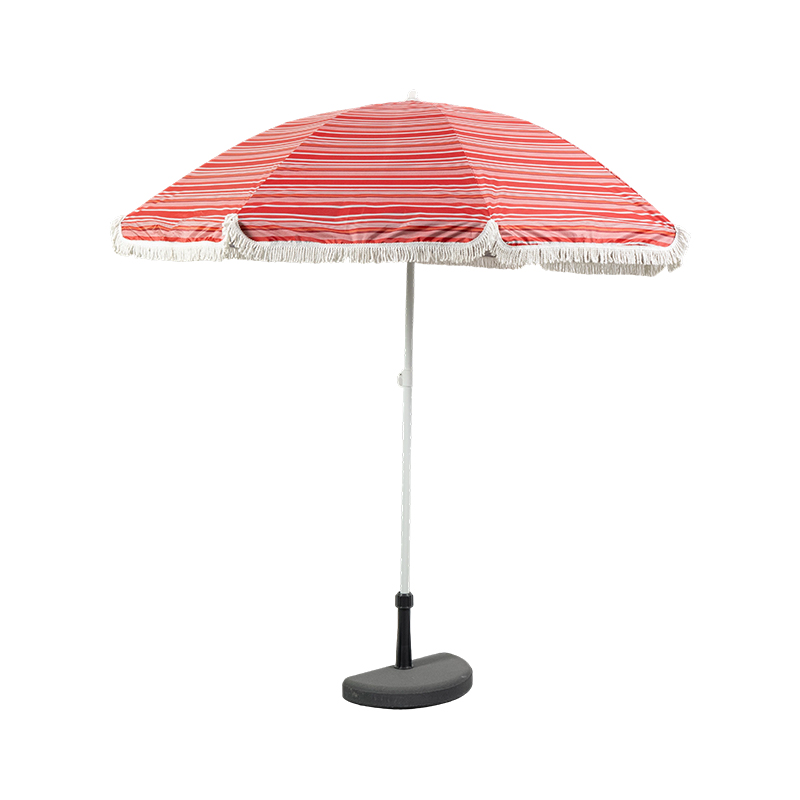
Edge trim changes how an umbrella reads from a distance. Tassels sway in light wind and catch the sun, which gives a beach row a moving, festive outline, and the effect works especially well with tropical prints and bohemian furniture. Polyester fringe dries quickly and holds its color, cotton fringe has a softer, handmade feel but absorbs water and takes longer to dry, and blended trims sit between the two.
Length and density deserve care. Short, dense fringe stays tidy and suits restaurant terraces, while long, loose tassels create a more relaxed resort mood but can tangle in strong wind or brush against guests seated near the edge. Because the trim adds a small amount of weight along the rim, it also helps the canopy hang evenly when closed. Fringe length, style and color can be matched to the canopy print or set in contrast, and a sample run is the practical way to judge how a given trim behaves before bulk production.
Fiberglass Ribs, Push-Up Opening and Wind Vents Keep Seaside Umbrellas Practical
Coastal wind rarely arrives as a steady push. Gusts hit from below and from the side, and a solid canopy acts like a sail. A double-layer top with an air gap lets pressure escape through the vent, which reduces the load passed to the pole and base. Fiberglass ribs flex in a gust and spring back, which is why eight ribs of 6 mm are a common choice for a 2 m canopy: they distribute tension evenly around the fabric and shrug off minor bends that would permanently kink a thin metal rib.
A push-up opening keeps the mechanism simple, with fewer parts to corrode in salt air, and suits beachgoers and rental operators who raise and lower dozens of units each day. A tilt function is useful where the sun angle shifts through the afternoon, since guests can angle the canopy without moving furniture. For sand installations, a screw-style anchor driven 60 to 80 cm into compacted ground holds far better than a pole pushed into loose surface sand. On decks and terraces, weighted bases of 25 to 40 kg are common for 2 m class canopies, with heavier bases for larger sizes.
| Common wooden beach umbrella formats and the settings where they are usually installed | |||
|---|---|---|---|
| Canopy Format | Approx. Shade Area | Pole Diameter | Typical Setting |
| 1.8 m round | About 2.5 m² | 32–38 mm | Retail units, family beach use |
| 2 m round | About 3.1 m² | 32–38 mm | Boutique hotels, pool bars, decorative fringe models |
| 2.2 m round | About 3.8 m² | 38–42 mm | Hotel pools, café patios |
| 2.4 m round | About 4.5 m² | 42–48 mm | Beach clubs, resort loungers |
| 2 m × 2 m square | 4.0 m² | 38–48 mm | Restaurant terraces, walkways |
Specification Snapshot of the Tropical Fringe Model
The tropical fringe-edge umbrella is built around a 2 m round canopy, which keeps the unit easy to carry and install while still shading a lounger pair. The table below lists the standard configuration, with items marked optional or customizable adjusted per order.
| Standard configuration of the tropical wooden beach umbrella with fringe edge | |
|---|---|
| Item | Specification |
| Canopy material and treatment | Polyester, UV resistant, water repellent |
| Canopy shape and size | Round, 2 m |
| Printing method | Heat transfer printing, custom prints and logos |
| Fringe | Polyester or cotton, decorative or tassel style, custom length and color |
| Ribs | Fiberglass, 6 mm, 8 ribs |
| Pole | Wood, 32/32 mm |
| Opening method | Push-up |
| Tilt and wind vent | Optional |
| Accessories | Protective cover, umbrella base (optional) |
| Packaging | Fabric bag and carton |
| MOQ, sample time, production time | 1,000 pcs, 7 days, 35 days |
The 32 mm pole is a deliberate match for the 2 m canopy: it keeps weight down and the profile slim, which suits pool decks and terraces where wind exposure is moderate. Sites with frequent strong gusts benefit from adding the wind vent and a weighted or screw-in base.
Resorts, Beach Clubs, Cafés and Promotional Campaigns Each Use Timber Umbrellas Differently
Resort pools and private cabanas pair timber poles with teak loungers and woven seating, creating a consistent material palette that photographs well for booking pages and social posts. A tropical print with fringe fits themed venues especially well: tiki bars, island-style pool areas and wedding or event setups on the sand all benefit from a canopy that doubles as decoration.
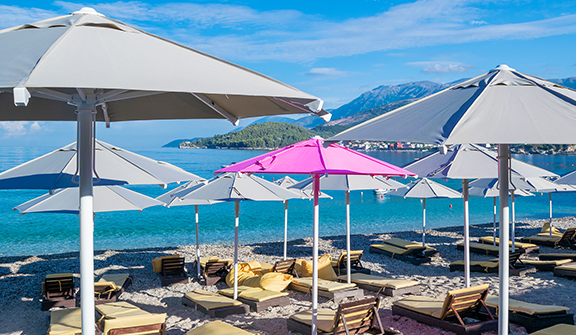
Beach clubs often order round canopies in a single design, arranged in rows so the shoreline reads as a deliberate layout rather than a scattering of mismatched shades. Cafés and restaurants with outdoor seating lean toward square canopies, which cover a table cleanly. Garden retailers stock smaller models for balconies and backyards, while event organizers and tourism boards use printed canopies as large display surfaces at festivals and seaside campaigns, since a canopy offers more visible area than a banner stand.
OEM and ODM Programs Let Wholesalers and Hospitality Brands Specify Every Visible Detail
Standard catalog items seldom match a brand's colors, materials and packaging requirements exactly, so manufacturers offer OEM and ODM routes. Canopy prints and colors can be matched to a supplied reference, fringe color and length can be set independently, and wood finishes can range from pale natural tones to deep walnut. Logos can be printed on panels, valances or vent flaps, turning each umbrella into a branded asset across a hotel group or beach club chain.
The workflow is straightforward for a first project. A sample is typically ready in about 7 days, giving buyers time to check print sharpness, fringe behavior and pole finish in hand. Bulk production then runs around 35 days for an order at or above the 1,000-piece minimum. Packaging in a fabric bag and carton protects the canopy and trim during shipping, and private label options such as printed cartons, hang tags and barcode labels let distributors move goods straight to shelves or e-commerce fulfillment.
Production Scale and Layered Inspection Keep Large Orders Consistent
Bulk buyers care about uniformity as much as appearance, because a hotel group installing several hundred umbrellas expects every unit to look and perform alike. A manufacturer established in 2010 and operating an 8,000 m² facility with two production lines and about 50 pieces of equipment can maintain that repeatability. Around 110 employees, including 7 R&D team members, support pole development, print and fringe trials and fabric testing, and monthly capacity of up to 150,000 sets absorbs seasonal demand peaks ahead of summer.
Inspection starts at the material stage, with checks on timber moisture, fabric weight, print alignment and colorfastness. It continues through pole straightness, rib alignment, seam and fringe attachment strength and repeated opening-and-closing cycles, and ends with a final review before cartons are sealed. Customers across Europe, the USA, South America and the Middle East receive goods made under the same process, which keeps retail, wholesale and commercial projects supplied with stable, repeatable quality.
 previous post
 +86-18767573570